
It’s not about the best electronic medical record (EMR) software—it’s about the right EMR solution, the one that helps your practice grow. Cloud-based EMR software does exactly that. Its advantages outweigh traditional on-premise EMR systems, which require a dedicated IT team and continuous maintenance. Two factors that increase clinics’ operational costs.
Running a modern medical practice is not just about seeing patients anymore; it’s about how efficiently you manage its operations. Clinicians have to manage paperwork, billing, compliance, and patient care simultaneously. It can’t be done with on-premise EHR systems, since the updates are time-consuming and accessibility is limited. Cloud-based EMR software, on the other hand, offers the flexibility to manage these tasks seamlessly, so your practice can focus on what matters most—delivering quality care.
Importance of Cloud-Based EMR Software in 2026
As the healthcare industry continues to evolve, technology is becoming an integral part of how practices operate. Systems that provide easier access to patient data are becoming a popular alternative to expensive on-premise EMR systems. In fact, the global cloud-based EHR system market generated approximately US $82 billion in revenue in 2024 and is projected to grow steadily through the next decade, driven by rising demand for convenient and flexible healthcare software solutions. On-premises EMR software systems are installed on local hosts and require frequent software and hardware updates, which disrupt the organization’s daily workflow. Due to their global accessibility and affordability, cloud-based EHR systems are becoming the preferred choice.
Strengths of Cloud-Based EMR Software
Accessible from Anywhere, Anytime
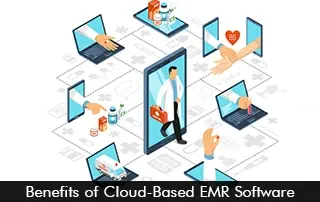
One of the biggest advantages of cloud-based EMR software is that it allows medical staff to access patient data from anywhere. It allows the practice to operate from multiple locations. Subsequently, these features support telehealth services by making remote consultations a smooth experience for both patients and doctors. These features are supported by cloud-based platforms like the athenahealth and eClinicalWorks EMR systems. These solutions enable doctors and staff to review and update patient records in real time, even remotely.
Lower Operational and IT Costs
EMR systems hosted on the cloud eliminate the need for on-site servers and IT departments. Operational costs are reduced significantly. Furthermore, EHR software vendors take care of system maintenance and updates, allowing medical professionals to focus on patient care instead of technical problems.
Stronger protection for patient data
Cloud-based EMR software is built with features like automatic backups, data encryption, continuous system monitoring, and secure user authentication, ensuring the protection of patient data. In addition, many platforms also follow strict healthcare compliance standards, such as HIPAA regulations, safeguarding patient data.
Better Team Coordination
The administrative staff can access the latest information instantly since all the updates happen in real time. Therefore, reducing miscommunication and improving care coordination. A cloud-based EMR system provides a centralized system so all staff members can track patient charts, improving clinic efficiency.
Cloud-Based EMR: Shaping the Future of Healthcare
Today, cloud technology is becoming essential as hospitals and clinics depend on technology to run their practices. Advanced Electronic Health Records (EHR) systems are integrating new technology tools. For example, predictive analytics for better decision-making and telemedicine features to make remote consultations seamless. This improves patient care and assists consultants in decision-making. Tasks such as documentation and scheduling become easy for medical staff.
Cloud-based EMR software solutions play a key role in supporting these technologies. It provides the scalability needed to support these innovations. Now, instead of replacing the entire system, healthcare providers can simply adapt to upcoming technologies.
In the future, practices that acquire cloud-based technology are likely to benefit from greater flexibility and lower operational costs. As well as improved collaboration between care teams.
Leading Cloud-Based EMR Vendors
Now, healthcare organizations are moving toward cloud-based EMR systems from trusted vendors. For example, platforms like athenahealth EMR Software, eClinicalWorks EHR Software, and Tebra EMR System offer cloud solutions that simplify daily clinical tasks.
These vendors become a part of the practices by offering strong security features and regularly updating their solutions. The systems are built to scale as healthcare practices grow. In addition, they reduce the need for an IT department, making maintenance easier for your practice.
Moving Forward
Cloud-based EMR software is transforming the health record solutions. If your practice is looking for the right cloud-based EHR system to support your organization’s operations, the experts at EMRfinder can help you evaluate and select the solution that best fits your workflow needs.